
Anxiety is how our body responds to real and imaginary incidents taking place in our lives. It is very much natural, just like any other thought. A number of times, people mistake worries and unease for anxiety. However, one needs to understand that feeling anxious and anxiety are two different mental health conditions.
While the former occurs for a short duration, the latter tends to become a mental health disorder that takes time to cure. And if anxiety is left uncured or unaddressed, it might become a reason for many other health conditions. About 3.3% of India’s population has anxiety disorder. It is a significant number.
In young professionals aged between 18 and 25, anxiety is an increasingly spreading condition. In the year 2018, about 15% of young adults reported anxiety.
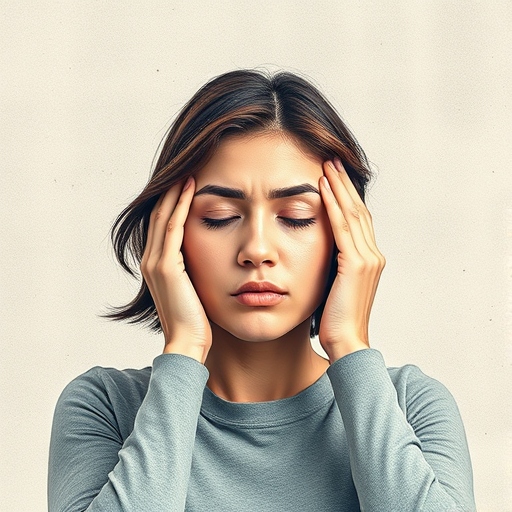
Causes of Anxiety Disorder in Young Professional
Several social, environmental, and professional factors can be the root cause of anxiety and related conditions.
Social Isolation
Isolation brings inadequate thoughts and causes mental trauma. The reason for social isolation may not always be an individual’s introverted nature. It can be because of:
- Having no partner or being single
- A deceased partner
- Dark complexion
- Body shaming
- Bullying
- Unemployment
Work Stress
Workplace-related stress is often linked with anxiety disorder in young professionals. Consider the following factors:
- Having no job
- Being underpaid
- Excessive workload
- No promotion, recognition, or appreciation at work
- Micromanagement
- No work-like balance
- Difficult bosses
- Work relationships
- Toxic work culture
A study conducted in the US reveals that about 9% of individuals have anxiety disorders, and about 40% of workers experience anxiety in their daily lives.
Strategies to Deal with Anxiety in Young Professionals
Dr Kumar, the founder of The Prime State, carries vast experience in psychological counseling therapy and alternative medicine and has counseled thousands of young professionals to recover from anxiety and lead a stress-free life. If you feel distressed or affected by anxiety, Dr Kumar recommends booking a one-on-one session with him or any other therapist. But there are some skills and steps that you can follow to cope with anxiety:
- Focused deep breathing
- Meditation
- Aromatherapy
- Exercise
Dr Kumar, a renowned neurobiologist and physiologist, mentions that anxiety doesn’t hit each individual the same way. So, a one-size-fits-all approach wouldn’t work when one is battling with an anxiety disorder.
Book a session with Dr Kumar to understand and manage your anxiety and start enriching your life, starting today!
 The Prime State